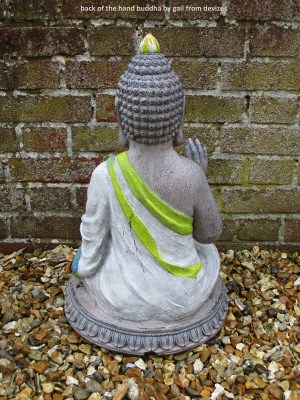
This is the life, thinks Ray as he settles in his chair with a ready meal. He has everything he needs in this moment. The freezer is full, the heating is on, his recent bout of IBS has run its course and there is an evening of Benefits Street and Big Brother in store. He likes to watch programmes that make him feel superior. Scroungers, he thinks. I pay for their children’s’ iPods with my taxes. Well, used to. Wierdos. Look at the state of that. He likes a nice rant about immigration as well. Coming over here, taking our jobs and our women. Don’t start me off. Oh dear, too late. The fact that his old job in the slaughterhouse had never been under threat from a queue of migrants desperate to wield his cleaver matters not in this one sided debate. He cannot actually recall a time in years gone by when he had to wait his turn at the local house of ill repute due to a high demand for his pet tart from men of the ethnic minorities. These details are of no concern to him. The smell of monosodium glutamate wafts temptingly from his lap. Not his favourite tea. He’s changed his supermarket and is just finishing off the last of the low quality meals he purchased before he went upmarket. The cat stares at him from the corner of the room, unmoved by the odour of processed chicken. It’s been a good day but somewhat exhausting. His cleaning routine took a little longer than usual as one of the bin bags had leaked in the hall. Not very satisfactory, the whole bin bags in the hall thing. The rest of the house is bleached and polished to a high degree, every day. Where does it all come from, he thinks, the dust and fluff and grime. It’s not like anyone ever comes in and he never opens the windows or curtains. Flies might come in. The sound of children playing grates on his nerves and the smell of flowers and trees plays havoc with his sinuses. Sometimes his neighbours have the audacity to barbecue and exchange noisy greetings in the street. Then there are cars starting early in the morning, barking dogs and ice cream vans in the afternoons. No consideration for an ordinary man just wanting a bit of peace.
His right hand aches as he lifts his fork. Along with his bowel it is a part of his body that experiences a lot of strain. His daily routine involves spending several hours a day on the computer. He likes to keep in touch with friends and to make new ones. He has lots of friends, eight hundred in total. The fact that he has never actually met any of them and that some of them are not even real people matters not. He finds the constant stream of pictures of kittens and humorous cartoons about poo reassuring. He shares useful information about UKIP and has his own blog in which he expresses himself regularly. He knows that his friends enjoy hearing about his breakfast. He got lots of likes for his piece about waffles. Waffling on again, mate, seemed to be a comment that a lot of other people were inspired to make. He’s been blocked a bit recently, mostly by women. He doesn’t mind when the fat and ugly ones unfriend him but was a bit miffed at the loss of Fifi Le Bleu, she looked a bit like Doris Day does work experience at the Folies Bergère. Maybe it was his comments about queers. Or women bishops. Or breasts. Maybe she just couldn’t take it from a real man. Plenty more where she came from, he thought wistfully, although he had very much enjoyed their relationship. She had seemed very interested. Well, a bit. Still, there is endless porn to take solace in. He never liked asking for it at the newsagents. His niche interests disturbed the sensibilities of more than one shop assistant so there had been many miles travelled in order to procure magazines concerned with his unusual tastes. Nowadays satisfaction is just a few clicks away and he has developed a few more peccadillos. It’s a victimless crime, he justifies to himself, they look like they’re enjoying it. His mother’s disapproving face appears in his mind occasionally when he indulges, which is inconvenient. She’s dead now so he wishes that she would mind her own business.
There is a knock at the door. Irritated he puts down his fork and heaves his considerable weight up from his chair, wheezing. Haven’t they seen his No Cold Callers sign? He doesn’t like it when people come round to his castle. Halt, who goes there, friend or foe? Hawker, trader, purveyor of jay cloths or ridiculous faiths? Money lender, beggar, cheerful chugger, he sends them all away with a flea in their ear. He looks through the peephole. Two well dressed young men in suits are outside his door. We’ve had the election, he thinks. He voted for UKIP by proxy, concerned that he might be infected with a socialist virus at the polling station. I had the community organisers round last week. Told them exactly what I think of my neighbours and where they could stick their community spirit. Don’t owe any money, well only to the bank, so that leaves…Jehovah’s Witnesses! He flings open the door, startling them. They ask politely what he thinks about the bible and all the suffering in the world. He replies that all the suffering in the world is due to religion, that all bibles are good for is toilet paper, paper planes and lighting fires, and that that Stephen Dawkins bloke has got it right. Having said that, he enjoys a Big Bang. The older man of the two suppresses a yawn and the younger one checks his watch. They apologise for just remembering that their parking ticket is about to run out and discreetly disappear. By now his korma is cooling but he is fired up with adrenaline and righteous anger. How dare they interrupt my tea. Still, I put them right on a few things. He settles back down in his chair. It is getting dark outside. He only knows this because Eastenders is on and there is less light diffusing through his net curtains. He finishes his ready meal but still has room for more. He puts on the light, sticks a spotted dick in the microwave and switches on his computer.
As he waits he revisits a few resentments. He has written to the Housing Association and the Council recently and wonders when his concerns will be dealt with. There are the issues of parking on the pavement, fly tipping by the bin store, noise and untidy flowerbeds but this are small fry compared to his main bugbears, the skip rats and the caravan. The skip rats are the homeless people who live in the woods at the back of his estate. Early in the morning and late at night they go through the bins, foraging for food and things they can sell. It’s thanks to them that his hall is full of bin bags. He puts his rubbish in the bins once a week when he hears the rubbish truck in the next road. I’m not having them nicking my stuff, he thinks, I pay a lot of money for my shopping and I’ll be damned if they’re getting my leftovers. Drug addicts, feckless alcoholics, low life, coming round here taking our jobs and our women, oh no that’s the immigrants, taking our rubbish and making our woodland untidy. He’s never been in the woods but he’s sure that they would be tidier without the homeless. Lots of people make nasty comments about the homeless on the town website and he likes to be in the majority. Now there is a right wing government he hopes that something will be done. I pay my rent, he thinks, well some of it, it’s not fair that they get to live for free. When he is curtain twitching he sometimes sees smoke from their fires in the woods and he has heard their laughter on the wind when he goes down to the bins. One of them said hello to him once, a cheery person of indeterminate gender with dreadlocks, riddled with lice no doubt, returning to the woods with arms full of a two legged stool, half an ancient pizza and a child’s buggy with a wheel missing. He didn’t reply. Give ‘em an inch and before you know it they’ll be taking a mile.
The caravan annoys him even more. It has been parked by the garages for a month. He can see it from his window if he wedges himself in a particular corner of the kitchen. His blood boils at the thought of it. He takes tablets for blood pressure so he has to be careful. He actually takes a lot of tablets for different things. Well, he’s ill. Since he got sacked for an unfortunate incident at the slaughter house he has been on the sick. “What do you mean unacceptable,” he had said at the time, “they’re only animals, just me and the lads having a laugh.” The fact was that the other lads had not found it funny at all and had reported him to the boss who didn’t mess around. Gross misconduct. “Give us yer cleaver,” the boss had said, “get yer porn from yer locker and go before I ring up the animal rights people and tell them where you live.” The longer he has been on the sick the sicker he has got. He has repeat prescriptions for all manner of medications. Depression, anxiety, irritable bowel, asthma, heart problems, insomnia, pain and medications for the side effects of all the above. He has to see the doctor now and again to prove he still exists and is too unwell to work. The last time there was a locum who refused to do a home visit and insisted that he came to the surgery for a medication review. Ray didn’t like that at all. Now that he has his weekly shop and medication delivered, pays all his bills online and has all the validation and sexual gratification he needs from shadow people on the internet, he doesn’t see the need to go any further than the bins. The cheerful young doctor talked about how a healthy lifestyle, gentle activity, social interaction and a good diet can have a positive impact on a variety of conditions, reduce the need for medication and result in increased wellbeing. “Bollocks,” said Ray, “I need medication, not a personal trainer.” “There are mutual support groups,” pointed out the doctor, his exasperation skilfully veiled, “for people with weight issues and mental health problems, and I can give you a pass for the local sports centre if you like, you can swim and do all sorts there.” Ray wasn’t up for any of that at all. He caught his own finger in the door whilst slamming it on the way out. Good job there was another prescription for codeine in his sweaty hand. So, taking all his conditions in to account, the caravan by the garages is a real issue.
According to the nasty things said about her on the town website, the woman in the caravan is called Mad Rose. She is a veteran of the bean field and has travelled all her life. She is of indeterminate age, wears a purple hat and has a scruffy mongrel called Kenny and a horse called Freedom, who is currently grazing in a friend’s field on the outskirts of town. There had been no intent to stay by the garages, it just happened that way. The caravan broke and she is waiting for a part. Rose is no shrinking violet and you don’t mess with her as she has a machete and there are rumours that she is a witch. Her machete comes in handy for cutting wood rather than slaughter and the witch thing, she thinks, lacks originality. Contrary to the opinions of the town website cognoscenti she has never claimed a benefit in her life. She earns the little money she needs with casual farm work, cutting hair and selling her art to whoever will buy it. She paints portraits. There is always someone in need of a haircut or wanting their picture painted. When she was very young and strangely beautiful a famous painter saw her in the street and persuaded her to sit for him, painting her as Persephone in the Underworld. Rose gets by well enough. She has real friends all over the country, folk who welcome her with open arms even if they have not seen her for many years. She is welcome round many fires, and many people have heeded her wise words and made good use of them in their lives. She has lovers, young and old, but needs no man to make her whole and never stops in any bed long enough to bore. Sometimes she prefers no company for months on end. Patience is not a virtue she possesses in great measure; she can be curt and dismissive and does not suffer fools gladly. She likes to sit alone, read and play her flute and ponder on the mystery of life. Tonight, as a light on the horizon heralds the moon rise, wood smoke comes from the tin chimney in the roof of her van, candles burn in her windows and the smell of stew wafts across the estate. She sits on the steps in front of her door, sewing a dress for the winter with coloured thread and humming an Irish song.
Ray’s computer is slow to start. The spotted dick turns noisily in the microwave. He looks forward to checking out a new porn site of unusual perversity and seeing if anyone liked his latest post about UKIP and had enjoyed the misogynist cartoon he had shared at lunchtime. The night is young and he has suffered no ill effects from the chicken korma. He gives the cat the thumbs up but gets no reaction. Unsurprising as the cat died some years ago and Ray had chosen to have it stuffed. Much handier than a living cat, cheaper to keep, less mess. The cat had been happy when it had been allowed to roam free but when Ray was sacked and stopped going out he had nailed up the cat flap. The cat had waited by the door for months, watching it, willing it to open but it never did. Eventually the poor thing died of boredom and a crushed soul. It had cost a few quid to get it stuffed but the result justified the expense. Another minute and pudding will be done, he thinks, then I can get down to some serious social interaction.
The computer screen goes black. The light goes off and the noise from the microwave suddenly stops. All is suddenly dark and very quiet in the front room. Ray shuts his eyes and opens them again. Still dark. He cannot see a thing. He sits for a bit and then a bit longer waiting for the light to return. He’s confused. I’ve paid the electric bill, he thinks. He remembers blokes at work making reference to fuse boxes and wonders if something has blown. He realises that although the fuse box is included in his daily cleaning routine he does not have a clue what to do with it. Perhaps I am dreaming he thinks, pinching himself harder than he might have done had he not been full of codeine. Shutting his eyes and opening them a few more times yields no result. As his brain is entirely unused to problem solving he begins to feel slightly panicky. He gets up out of his chair and trips over the coffee table on the way to the window, knocking his head on the glass edge. He feels a trickle of something hot and wet running down the side of his face and wipes it with his hand but it keeps flowing. He gets up and walks to the curtain, pulling it aside to look outside, leaving a dark stain dimly visible on the net. It looks like everyone’s lights are off. The estate is eerily quiet, apart from the distant cry of a small child. Someone is walking through the play park with a torch. He wishes he had a torch. Or a candle. Or, suddenly and to his surprise, his Mum. He opens the window and shouts to the man with a torch. “What’s going on?” “Power cut, mate.” A power cut! He remembers that these used to happen years ago. Didn’t Margaret Thatcher sort all that stuff out? He must write to the Council. Except that now he does everything online he doesn’t have a pen or a piece of paper and besides that he can’t see a thing. The computer that usually lights his life is dead. His phone is out of charge. His spotted dick is inedible and the contents of the freezer are doomed. He sits back down in the darkness and waits for something to happen.
Time passes. How much time is impossible to say but it must be a few hours as the codeine is wearing off. From the blackness, unchanged by the opening and shutting of his eyes, images begin to form. Some of them are neon bright, some dimmer and indistinct. And with these images come what Ray presumes are Feelings. He knows what anger, sexual frustration, hunger and relief feel like but most of the other sensations he is used to describing as ‘feeling unwell.’ They happen in different parts of his body and vary in temperature and intensity. Some draw tears from the deep ache of his soul, some make him sweat, some flush his flesh to vermillion and some make him want to be sick. The images are of people, that he has loved or hated, missed, desired, conquered or been slighted by; colleagues, shop assistants, faceless girls on websites, kids he knew at school, doctors, teachers and people on buses. The brightest images are the ones that cause his body to scream with pain. His mother. And the cat. He tries to give words to these overwhelming sensations. His mind turns automatically to emoticons, hashtags and ‘lols’ but this is not the language he needs to find. He remembers his Mum from when he was little, doing the Monday wash in the kitchen, flying a kite with him, teaching him to shell peas and the sound of the clatter in the pan. The day he found her on the floor in the kitchen bleeding, bruised and crying. The day the police came for his Dad. Moving to a different town, quickly. Mum drinking a lot. Mum working hard and bringing home the bacon. Unsuitable men. Mum sometimes getting it right and sometimes wrong. Then Mum getting premature senile dementia and gibbering in a home for years until she died. The words come in a flood. Love. Sorrow. Guilt. Security. Frustration. Sympathy. Nostalgia. Regret. Then there is the faint smell of summer flowers, autumn fires, the seaside, pine disinfectant and a taste of jelly. Then the cat. He hadn’t done right by the cat at all. He had kept it as a little prisoner. He remembers the playful furry kittenness of it, its curiosity and free spirit. How it had snuggled close to him for warmth and how, really, it was the only friend that he had ever had. How it had sat waiting by the door for an age and eventually gave up. This feeling is dark and terrible and weighs heavy on every thread of him. In Awe he names it as Devastation. He is drowning in Mourning and tears and cannot contain his Grief. He sees what he has done and rocks in Terror in his chair, in Fear of Judgement. He cannot fight what he does not understand. He chooses flight and rushes, blindly, banging in to the furniture, flinging the door wide open and blundering out on to the street.
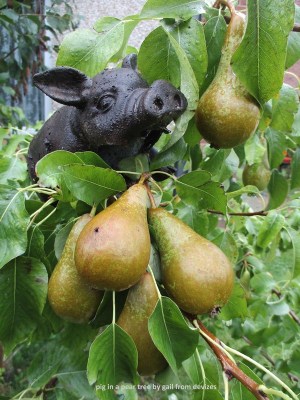
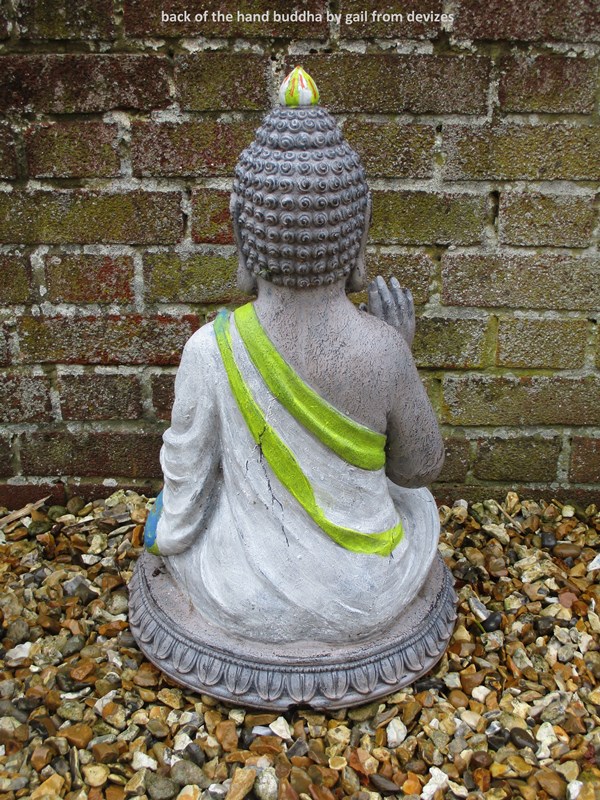
What Rose sees from the steps of the caravan is the stumbling figure of an overweight balding man of fifty, hoving towards her from the darkness of the flats. He has a gash on the side of his head and a disorientated gaze. Kenny plants himself at Rose’s feet, growling, as she slowly puts her sewing down upon the step. “There’s no light at my house,” he says, “nothing works and the cat is dead.” Rose thinks for a minute. She doesn’t really want any company and doesn’t know this bloke from Adam but someone told her once, and she had never forgotten this, that what comes to your door is your business. “Right,” she says, “cup of tea?” The dog sniffs Ray’s ankles and deems him ineffective. Kenny has seen it all before and has learned to categorise other beings in terms of threat and potential gain. He likes Rose’s friends because they talk to him about interesting things and give him meat, old ladies are usually good for a stroke, policemen are not to be trusted and the three legged cat up the road is capable of inflicting serious injury. Ray, however, couldn’t get a piss up in a brewery together right now and has no food on him. But he doesn’t smell of alcohol, which is peculiar. Kenny has seen a lot of drunks. They usually smell of Lynx and piss and resentment. Ray just smells of bleach and fear. “Come in,” she says. Inside the van it is warm and bright with candles. A saucepan rattles on a pot belly stove. She gestures to him to sit down on one of the two wooden chairs and gets two cups from a tiny cupboard. Ray feels like an Ork in The Shire, clumsy, unrefined, an incongruous guest and fish out of water. He sits quietly crying, observed sympathetically, curiously or indifferently by Madonnas, angels, Marilyns, butterflies and Buddhas, of varying style and dimension, all gazing at him from the walls and shelves.
He hasn’t been anyone’s guest for a long time, not without paying for it. The last time he sat with a woman he wasn’t paying for had been on the night his mother died, all those years ago, at the nursing home. The matron had sat with him by his mother’s corpse for hours while he cried. She had offered to pray with him and he had accepted, despite having no belief of his own. His mother had believed. He remembered her singing All Things Bright And Beautiful in the supermarket once. How embarrassed he had been. She would have wanted him to pray so pray he did but just for her. Other than his mother, the matron and the tart he had long held in rosy memory, Ray was not a great fan of women, remembering pigtailed ballerinas at little school looking down their noses at him and shadows cast by frightening slags from the villages falling across his playground marbles. He recalled putdowns made by horsey girls and those equipped with gutter wit, all of whom found him a figure of fun. They had come up with Fat Ray, Fat Ray, he ain’t got no mates and is totally Gay. This ditty followed him home, rang out from alleyways and the back of the bus, shouted itself across classrooms and the football pitch and occasionally surprised him in the supermarket. For his entire adolescence. He took his anger out at the slaughterhouse and with whores and gradually became desensitised and inhumane. Girls were for sex, despising, mothering and washing up, they were all lipstick, pointless prayer and teddy bears. And what he hated about them most was that they didn’t want to fuck him, any of them.
Rose puts a cup of sugary tea in to his shaking blood stained hands. She wipes the blood off his face with a warm sweet smelling cloth. He winces. “Doesn’t look too bad,” she says, “get the doctor to check it out.” He nods, big fat blubbery tears rolling down his cheeks. “So what’s up?” she says, sitting in the other chair, looking at him intensely. “The electric went off,” he said, “I banged my head in the dark. I don’t feel well. And I killed the cat.” “Maybe start at the beginning,” she suggests, so he does. Out it all comes in a torrent of pain, his life story, his ailments, his dead mother, the unfairness of everything, how immigrants have it better than he does, what he did to the cat, how he doesn’t go out anywhere but has a toilet seat clean enough to eat your dinner off, that he is having uncomfortable Feelings and finally, what happened at the slaughterhouse. He has never told anyone the truth about why he left the slaughterhouse. Kenny is curled up dozing at his feet but pricks an ear at this particular story. Rose swallows hard. In the past she has been an animal rights protestor but left her group when agent provocateurs turned up suggesting violence. She gives money, when she has some spare, to the local cats and dogs home. She views animals as sentient beings, fellow travellers on the great road of evolution. She despises people who are cruel to animals and for a moment wants to tip Ray’s tea over his head and show him the door with the point of her boot. She breathes deep, remembering that this man is her business because he came to her door and that she believes in redemption. One of the angels in a picture on the wall appears to shudder slightly. Ray is overwhelmed by the feeling of Shame. As the words come out of him and fall on the floor before this person he knows that what he did was truly wrong and he desires her Forgiveness. He becomes silent and so does she. He waits for her to speak. She searches her mind for the right thing to say, the thing that will make a difference to him and to the universe and that will make sure that he never does anything so vile again. The right words are beyond her so, as is her habit when confounded, she opens a book and reads the words of someone wiser than she.
It’s fair to say that William Blake’s Auguries of Innocence are somewhat beyond Ray’s comprehension but he hears the line “He who shall hurt the little Wren Shall never be beloved by Men” alright. “I need to be forgiven,” he says, “for the slaughterhouse and the cat.” “Do you believe that forgiveness is possible,” she said, “and where would you wish to find it?” Ray thinks. He doesn’t believe in anything much, certainly not God. There have never been fairies at the bottom of his non-existent garden. He wants forgiveness from his dead Mum and the cat. And from Rose, this strange person who is being kind to him for no apparent reason. She’s not his cup of tea at all but he is experiencing something new, peculiar and untainted by desire that could quite possibly be Trust. He explains to her that he is an atheist and quite partial to a bit of Stephen Dawkins. She laughs and gently explains that Stephen Hawkins and Richard Dawkins are two different people, that one is trying to prove what does exist while the other puts his energy in to proving what does not, that Hawkins wears his disease on the outside and Dawkins on the inside. And that neither of them would be particularly useful in this situation. “I think you have to forgive yourself,” she said, “and do something to atone.” “Have I ‘sinned’?” he asks, scared that his lack of belief might be no defence against eternal damnation or ignominy in this world at least, “Can you forgive me?” She thinks again, hard. “I cannot give you absolution,” she says. Ray is relieved about this as it might interact with his medication. “But I can bless you.” “Please,” says Ray, “I’d like that.” She gets up from her chair, takes his tea from his hands and puts it on the table. She places her hands on the top of his head and calls on the forces of Light. She uses prayers from different faiths and languages. She asks of The Great Life blessing, guidance, protection, healing and forgiveness for Ray. Her hands are warm and he feels a pressure bearing down from above. And then she is finished. As she lifts her hands away he feels a lightness and a slight pull upwards. She sits down. “Believe what you like,” she says, “but believe in something. The rest is up to you.”
Ray feels profound and disorientated. One of the Buddhas looks like it is actually chuckling. “Anything else I can help you with, she asks, while you’re here?” He thinks for a moment. “Do you have friends?” he asks. Rose laughs. “Of course,” she says. “And how did you meet them,” he says, “and keep them?” “People come in to your life to share your journey for a while,” she says, “you learn from each other, sometimes they stay, sometimes they go, but even when you are not together you are still friends. I meet them everywhere. You just have to spot them when they appear. It’s like a recognition thing.” “I have friends,” he says, “lots of friends, on the internet.” “Right,” she says, “and do you ever actually meet them or speak on the phone?” “No,” he says, “not at all, but they say they like me.” “ And what do you do for them?” “I send them funny stuff and stuff about UKIP.” She chooses to ignore the UKIP thing, sensing that a conversation in that direction would take them both down a urine drenched blind alley. “How do you know that they laugh?” She says. “They send me smiley faces and ‘lols’.” “And how do you know when they are unhappy?” “They send me sad faces and ‘wtfs’.” This is all beyond Rose, although she does have a niece who talks this way but is forbidden to do so in the caravan. Rose likes proper words, believing that too many tiny words cause atrophy in certain areas of the brain. “You should meet some proper people,” she says. “The last person I spoke to was a Jehovah’s Witness,” he says, “and someone with dreadlocks said hello to me by the bins the other week.” “That sounds like Jo,” she says, thoughtfully. “A proper person. You’d do well being friends with Jo. You should wander through the woods sometime.” Ray feels that an enquiry about Jo’s gender at this point may not be wise but he makes a mental note of what Rose has said. “I’m getting tired,” she says, “anything else?” “I’m scared,” he says. “What of?” she asks. “Life.” She racks her brains and reaches up to the bookshelf for a card with a picture of an old gnarled oak on the front. On the back of the card are writ in ink the words of Rudyard Kipling’s ‘If’. “Take that,” she says, “go home and read it when your electric comes back on. And if it doesn’t, wait for daylight. And as for the electric, Leonardo Da Vinci never had any, nor did most of your ancestors and they seemed to adapt and survive well enough.” Ray has a vague recollection of Mutant Ninja Turtles and a bird called Moaning Lisa in relation to the Leonardo reference. She shows him to the door. He has to step over a sleeping Kenny. “I will be asking for something from you,” she says, “in return for my time.” He can’t think what that might be but is grateful to her and feels the stirrings of things that could be called Empathy and Friendship. “Looks like your electric is back on,” she says, “but look at that moon!” The great shining orb in the sky illuminates the flats and the tops of the woodland trees and there is a smell of fires and flowers in the air. He is not the same person who entered the caravan earlier. He feels alive. “Goodnight,” he says, “and thank you.” She nods and shuts the caravan door.
Back in his flat there is a bit of a mess where he knocked stuff over and a blood stain on the net curtain. He checks the lights and all is well. The freezer is humming as usual. The spotted dick sits in the microwave inert yet all potential. He thinks to himself that he had better take some medication but decides to give the codeine a miss despite feeling a bit snuffly with a pain in his head. He switches on the computer. As it whirrs in to life the usual images of kittens and poo appear. He switches it straight off and goes to bed. His dreams are vivid, painful, unusual, full of the faces of all of the people that he has ever known, comprehensive, lucid, comforting. There is an odd bit where someone he once knew called Terry appears saying “You know that light at the end of the tunnel, mate, that they say you see when you are dying? That’s someone with a torch bringing you More Work.” His Mum appears and cuddles him, the cat rubs against his legs purring and all the animals from the slaughterhouse dance happily in a magic wood. He sleeps for hours with the windows and curtains open to the sky and air. On waking he is a different man. He does not turn the computer on. He doesn’t do any cleaning, well not much. He looks out of the kitchen window with hope and joy for the day ahead. The caravan is gone. He feels confused and a little upset. He liked Rose and was hoping to have more conversation with her. He had hoped that she might be a friend, not a tart and not his Mum but a friend. There is a knock at the door. He opens it. There is Rose. And Kenny. “The part for the van arrived,” she says. “My mate brought it round with Freedom and I’m parked up round the corner. I’m going to Ireland for a few months and I want you to look after Kenny.” She hands Ray Kenny’s lead and waterbowl. “He won’t be any trouble,” she says, “but you have to let him take you wherever he wants to go.” “When will you be back?” “Sometime.” She pats Kenny, who raises no objections having seen it all before, and turns to go. “Oh yes, and by the way, you’d better treat him well or he’ll have your leg off,” she says, and off she goes.
Kenny smells of nuts and old socks and is shedding hair on Ray’s cream carpet as he explores the flat. When he comes across the cat he growls slightly and looks confused. Perhaps he has not seen everything after all. Ray takes some meat out of the freezer to defrost and sits down to digest this new situation. Kenny eyes him up then nuzzles against his legs. They sit for a few minutes, man and dog. Then Kenny gets up and runs to the door, his tail wagging, full of enthusiasm and restless energy. Ray looks at the cat. The cat looks at Ray with glazed approval. Ray picks up the lead and opens the door. Kenny runs towards the woods and the smell of fires and flowers and the sound of a woman singing to the ring of a guitar. Ray follows.
Copyright Gail Foster 2015
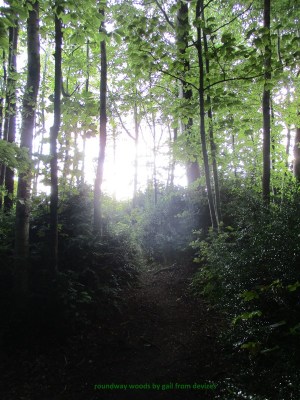
This story is based on a moment observed in a small corner of Devizes a few weeks ago. Any resemblance to living persons is entirely coincidental. The bins and the woods are real, the characters are all of us and none of us. If you like my story, please share it with others. All good things to you.




 gailfromdevizes